

2021 is shaping up to be a big year for automotive tech
Highly predictable: In 2022, Tesla somehow managed to create a stock market valuation every bit large (or larger, depending on the twenty-four hour period) than the next 7 largest carmakers combined, but chalk that upwards to Wall Street insanity rather than the actual progress of the market place. The truth is that automobile tech adoption has been small-scale at best, and traditional carmakers are showing signs of life. Plus, we're still many, many years away from a 24-hour interval when you can walk into an auto dealership and drive away in a fully autonomous auto. Despite that plunge through the hype bike, it really does seem that 2022 is shaping upwards to be a large year for automotive tech.
Several years dorsum, the tech industry was abuzz with what looked to be an enormous and imminent opportunity to completely reshape the automotive industry. Powerful new fries were poised to bring democratic driving to the masses, tech companies were positioning themselves every bit disruptive innovators destined to turn mobility into a service, and traditional car companies were thought to exist lost causes. Needless to say, five years on, that's not exactly what happened.
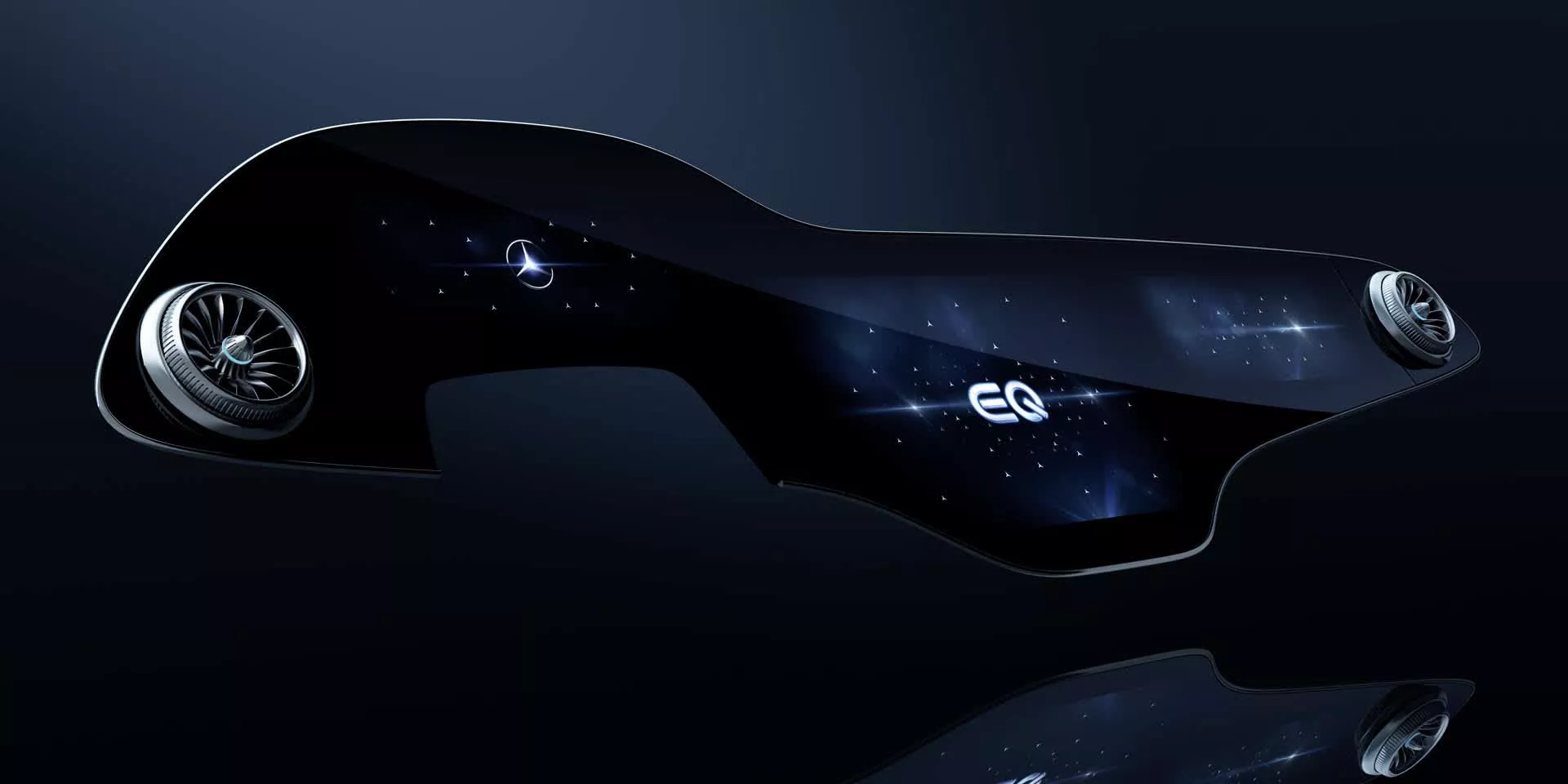
However, information technology really does seem that 2022 volition be a very large yr for automotive tech. The signs are everywhere. Some of the biggest stories coming out of this yr'south virtual CES were automotive related: the impressive, forward-looking keynote by GM CEO Mary Barra, the college lecture-like discussion on the current state of democratic driving by the CEO of Intel-owned Mobileye Amnon Shashua, the enormous 56" Hyperscreen display from Mercedes Benz' forthcoming EQS electrical sedan, and even the latest iteration of Sony'due south concept automobile the Vision-S. Toss in a significantly reinvigorated circular of rumors on Apple'southward "Titan" car project, and the stage is clearly set up for a big year in automotive tech.
This time, notwithstanding, things are a bit different. Offset, of course, in that location'southward the widely acknowledged reality that achieving fully autonomous Level five vehicles (on the five-level scale of self-driving technology) is significantly harder to do than many first predicted.

There is also the recognition that the movement to fully electric vehicles—which many consider a prerequisite to achieving autonomy—is also happening at a significantly slower footstep than many idea. Most importantly, even so, in that location's a growing awareness that a huge continuum of opportunity exists for automotive tech betwixt where we are now and a fully autonomous electric vehicle. In other words, not all automotive tech has to be focused on self-driving vehicles—at that place's a huge range of things that can exist done to make the time nosotros spend in our cars more enjoyable, more productive, and safer.
The reality of that mindset came through loud and clear in the aforementioned GM CES keynote. While the visitor is indeed working on things like battery technology for electric cars and driverless "pods", much of what information technology revealed/demonstrated was the more practical enhancements that technology can bring to the driving and overall automotive experience, everything from lighting to interior displays, software-based feature upgrades, and assisted-driving functions.
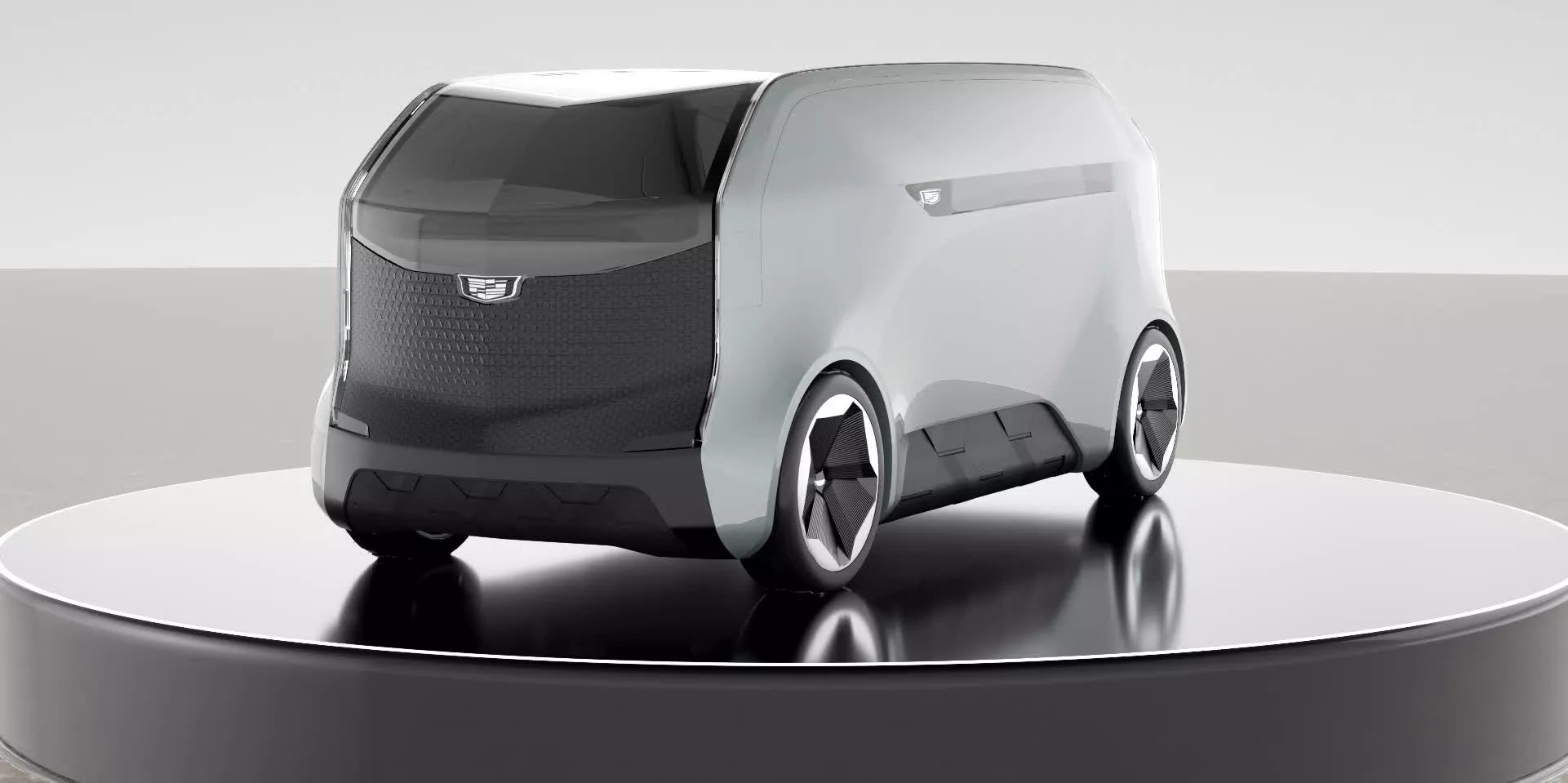
Much of that aforementioned pragmatic perspective seems to be behind the latest automotive-related developments from chipmaker Qualcomm besides. The company unveiled a number of new chips, software, and platform partnerships all designed to amend the enjoyment, capability, connectivity, and safe of vehicles that we'll actually be able to purchase over the next few years—including some from GM, with whom Qualcomm announced a new extended partnership.
The big debuts are fourth generation chip and platform architectures for its Snapdragon Automotive Cockpit platforms, too every bit expansion of its Snapdragon Ride assisted and autonomous driving platforms. In addition, the visitor talked nigh the ongoing momentum it is seeing with its 4G and 5G modem-based telematics solutions for car connectivity (including forthcoming C-V2X support for car-to-motorcar and car-to-infrastructure communications) and the currently aircraft 3rd generation digital cockpit platforms.
The latest flake offerings feature some of the same 5nm-based core architecture advancements as its pop Snapdragon line of smartphone chips, but they are purpose-built for the automobile market and include automotive form functional safety capabilities, such as redundancy, to come across requirements such as ASIL-D and ISO 26262 prophylactic standards.
On acme of the hardware, Qualcomm also announced a growing range of partnerships with software companies, both for low-level operations, such as virtualization with companies similar Blackberry-owned QNX and Green Hills Software, as well as consumer-facing features such as Alexa integration with Amazon, automated valet parking features from Valeo, and precise lane-level positioning (even in places similar covered parking garages) with Alps Alpine. All told, it'south an impressive array of hardware, software, and partnerships now necessary to advance automotive tech in a meaningful manner.
In fact, 1 of the most interesting things about the Qualcomm automotive news is that information technology highlights how complex and how interdependent the world of smart car engineering has go. Getting to fully functional cars with advanced capabilities is clearly going to take a large number of partners working together. This is some other significant change from the final round of automotive tech hysteria when many companies were trying to achieve likewise much on their ain.

Qualcomm also fabricated a betoken to highlight the range of choices that information technology now offers to run across the widely varying demands of different automakers and even unlike motorcar lines within a given automaker. For digital cockpits, the company offers three levels of capability, and its newly expanded Snapdragon Ride platform is expected to scale from basic Level 0 functions in a unmarried chip to Level iv autonomy through the combination of multiple chips within a single drive computer.
The company also acknowledged the new reality that nosotros could easily start to encounter multiple different fleck vendors parts being used in a single machine—such as one for digital cockpit and IVI (in-vehicle infotainment) functions and another for ADAS (avant-garde commuter- help systems)—or even multiple vendors each taking on different tasks within each of those major subsystems.
The lesser line is that all of these developments—and many more than to come—are pointing to the reality of software-defined, e'er-connected cars. While that too was a popular talking point many years dorsum, the truth is that nosotros're finally starting to get the hardware that's necessary to ability these new capabilities, the range of software tools required to enable them, and the collective experience and perspective needed to turn a more realistic set of automotive tech goals into a more compelling reality.
The signs are encouraging—let's hope this really is a big year for automotive tech.
Bob O'Donnell is the founder and chief annotator of TECHnalysis Inquiry, LLC a technology consulting business firm that provides strategic consulting and market inquiry services to the applied science industry and professional financial community. You can follow him on Twitter @bobodtech.

Source: https://www.techspot.com/news/88418-2021-shaping-up-big-year-automotive-tech.html
Posted by: bennettandenderew.blogspot.com
0 Response to "2021 is shaping up to be a big year for automotive tech"
Post a Comment